How to Build a Home Inventory Without Downloading a Single App
A notebook, a camera, and one afternoon can build a home inventory that survives a disaster better than an app tied to a phone that might not.
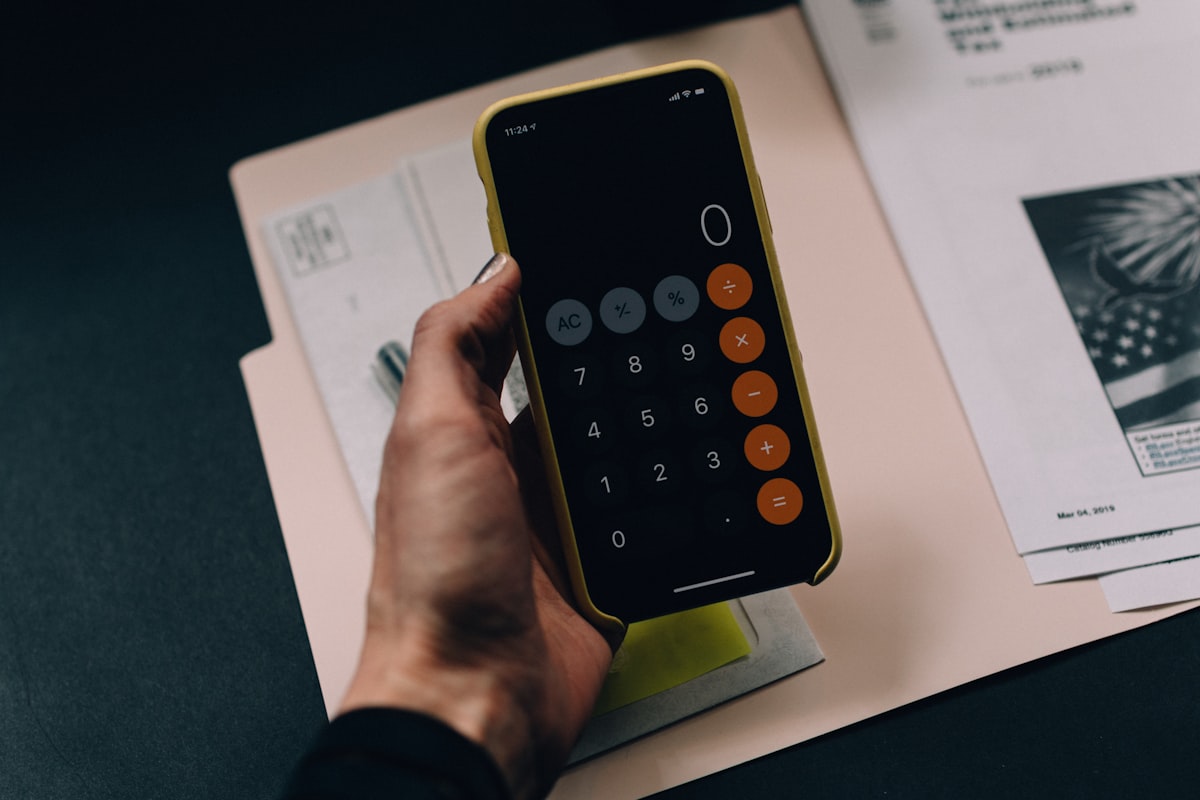
Every homeowner has heard the advice: keep a home inventory. Almost nobody does it, and the usual excuse is that it sounds like a project requiring special software, a subscription, or a weekend lost to data entry. It does not have to be any of those things. A notebook, a camera, and one deliberate afternoon will produce an inventory that holds up just as well as anything built inside an app, and in some ways it holds up better, because it does not depend on a phone or a cloud account surviving the same disaster that took the house.
Why Low-Tech Still Works
The entire purpose of a home inventory is to give you, and eventually a claims adjuster, a record of what existed before a loss and roughly what it was worth. An app is convenient for typing, but the underlying requirement is just documentation plus a description. A spiral notebook or a cheap binder satisfies that requirement completely. The advantage of paper is that it forces you to actually finish a room before moving to the next one, rather than opening an app, getting three items in, and abandoning it when a notification interrupts you. Low friction sounds appealing, but for a task most people put off for years, a little bit of physical friction that keeps you moving room to room is often what gets the job done.
Setting Up the Binder
Start with a plain three-ring binder and a stack of paper, or a notebook with removable pages. Divide it by room, one section per space in the house, including the garage, the attic, and any detached structures like a shed. For each room, you are recording three things for the items that matter: a short description, an approximate purchase date or age, and an approximate value or replacement cost. You do not need a serial number for every lamp. You do need one for anything expensive, anything electronic, and anything you would actually file a claim over if it were destroyed. Leave a blank line under each entry for a note about where the receipt or photo lives, which becomes important later.
The Room-by-Room Walkthrough
Work one room at a time, and resist the urge to jump around. Start at the doorway and move clockwise, noting furniture, electronics, and anything built-in that you paid to upgrade, like cabinetry or flooring, since those matter for a dwelling claim rather than a contents claim. Open closets and drawers. This is where people underestimate their own belongings the most, because clothing, linens, and tools accumulate quietly over years and rarely get counted until they are gone. You do not need to individually list forty t-shirts, but a line item like 'closet contents, estimated value' with a number attached is far more useful during a claim than nothing at all. Budget roughly twenty minutes per room for a typical house; a full walkthrough usually takes an afternoon.
The Camera's Role
A notebook records value, but a photograph records existence and condition, and an insurer will generally want both. Use whatever camera you have, phone or otherwise, and take wide shots of each room from two or three angles, then close-up shots of higher-value items and anything with a visible serial number or model plate. Open cabinets and drawers for at least one photo each. The point is not artistry. It is a dated visual record that would be very hard to fake or forget, which is exactly what a claim benefits from. Narrate out loud as you shoot if your camera records video, since a short walkthrough video with a spoken description of each room can substitute for dozens of stills and takes less time to produce.
Where the Copies Actually Belong
This is the step people skip, and it is the one that matters most. A home inventory that lives only on the phone you were using to photograph the house is not a backup system, it is a single point of failure, because a fire, flood, or theft that damages the home has a real chance of taking the phone with it. Print or photocopy the written pages and store one set somewhere off the property entirely: a safe deposit box, a relative's house, or a work desk. Do the same with the photographs, either as printed copies or on a memory card kept in that same off-site location. If you have any way to email the photos to yourself or a family member as a backup, do that too, since it costs nothing and adds a copy that exists independently of any single object. The rule of thumb from records management generally holds here: one copy is not a copy, it is a coincidence.
Making It a Habit, Not a Project
Once the initial inventory exists, maintaining it is far lighter work than building it. Set a reminder, paper or otherwise, to add a page whenever you make a significant purchase, and do a five-minute photo refresh once a year, maybe when you change the clocks. The goal was never a perfect, museum-catalog record of every object in the house. It was a reasonably complete, physically durable, off-site-backed accounting that will still exist and still be useful on the worst day you might ever have with this house, which is precisely the day an app on a destroyed phone would fail you.
Sunday · every other week
¿Te sirvió esta reseña?
Subscribe to La Carta. Independent home-insurance reading, twice a month, free.