Coverage B Explained: What Actually Protects Your Shed, Fence, and Detached Garage
Detached garages, sheds, and fences fall under Coverage B — a percentage-based limit most homeowners never check. Here's how the default is calculated and when it runs short.
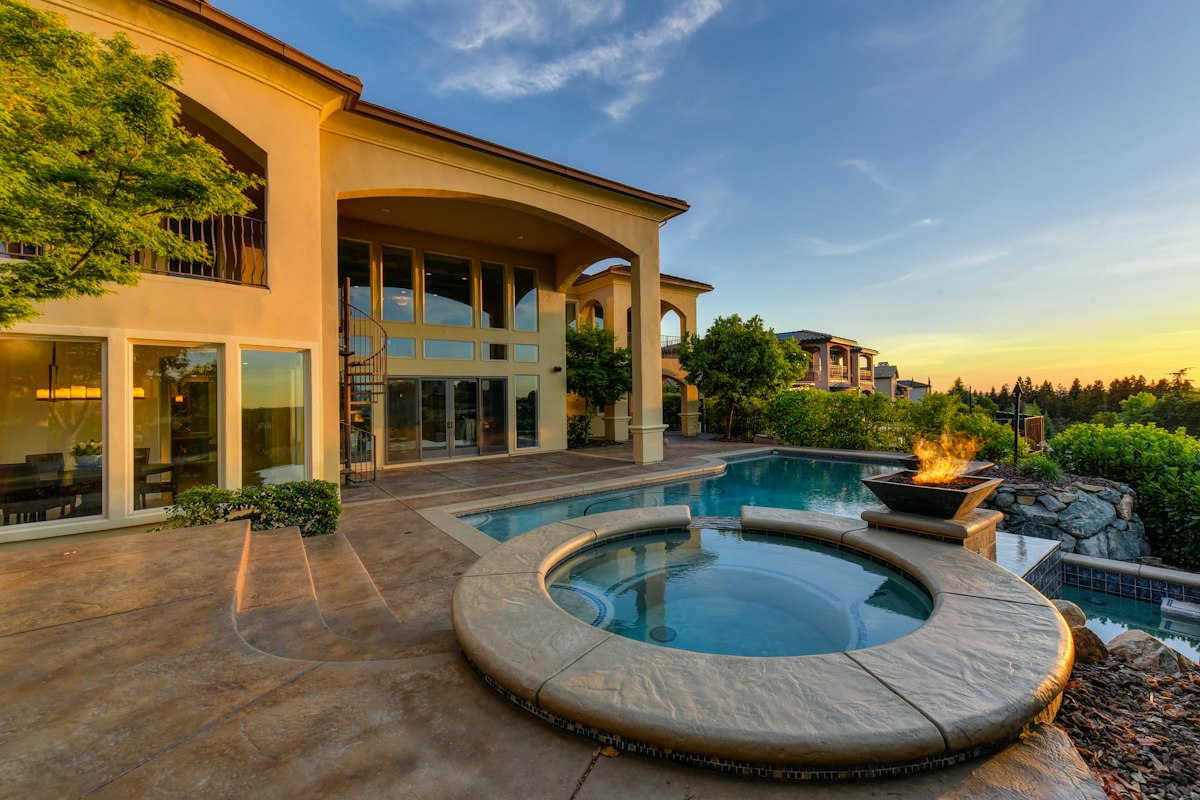
The main house gets all the attention on a homeowners policy, but most properties have at least a few structures that aren't the house at all: a detached garage, a storage shed, a fence line, maybe a gazebo or a freestanding carport. These fall under Coverage B — "other structures" — a piece of the policy that gets far less scrutiny than the dwelling coverage next to it, right up until a storm takes out the fence or a fire starts in the detached garage.
What Counts as an "Other Structure"
Coverage B generally applies to structures on your property that are separated from the main dwelling by a clear space, and not connected to it by so much as a fence, breezeway, or covered walkway. A detached garage counts. A shed counts. A freestanding fence, a driveway gate, a gazebo, an in-ground pool's surrounding deck (though the pool itself may be treated separately in some policies), a detached carport — these typically fall under Coverage B rather than Coverage A.
The line gets specific fast. An attached garage — one sharing a wall or roofline with the house — is usually part of Coverage A, the dwelling, not Coverage B. A breezeway connecting the house to a garage can pull that garage into dwelling coverage even if it would otherwise be "detached." The determining factor isn't distance from the house, it's whether there's a structural connection. If you're not sure which category a given structure on your property falls into, that's a specific, answerable question worth asking whoever services your policy, rather than assuming based on how far away it looks.
How the Default Limit Is Calculated
Most policies don't set a standalone dollar figure for Coverage B. Instead, they default to a percentage of your Coverage A (dwelling) limit — a common default cited across the industry is in the ballpark of 10%, though the actual percentage varies by insurer and by policy, and some policies set it differently. That means if your dwelling is insured for a given amount, your other-structures coverage is typically some fraction of that figure, automatically, without you having chosen the number directly.
This default can run short in a few predictable situations. A detached garage that's been converted into a workshop or has expensive built-in storage may be worth more than a generic percentage-based estimate assumes. A large custom shed, an outbuilding used for a hobby (woodworking, a home gym, vehicle storage), or a substantial fence line around a large property can all individually approach or exceed a default Coverage B limit that was sized as an afterthought percentage of the house, not a deliberate estimate of what's actually sitting in the yard.
When the Default Runs Short
The clearest sign the default limit isn't enough is when you can name a specific structure on your property that would cost more to rebuild, on its own, than the Coverage B limit shown on your declarations page. Walk your property the same way you'd walk through your house for a home inventory: garage, shed, fence, any freestanding structure with real rebuild value. If the total replacement cost of everything you find would meaningfully exceed the percentage-based default, that's the moment to ask about increasing the Coverage B limit specifically, rather than assuming it scales automatically with the rest of the policy.
Business Use and Rental Use Complications
Other structures used for anything beyond ordinary residential storage can run into their own limitations. A detached structure rented out to a non-family member, or used substantially for business purposes, may see Coverage B reduced or excluded for that specific use — this overlaps with the broader home-business coverage gap that trips up a lot of homeowners running even a small operation out of their property. If a detached structure on your land is doing double duty as a rental unit or a business space, it's worth confirming separately whether Coverage B still applies to it in full, or whether that use pulls it outside standard coverage.
How to Actually Tell What's Covered
Three checks cover most of what matters: confirm the Coverage B dollar limit on your declarations page (not just the percentage, the actual number), physically account for every detached structure on your property and give each a rough rebuild estimate, and check whether any of those structures are used for something beyond ordinary residential storage or leisure. If the estimated rebuild cost of your detached structures, added together, is close to or above the Coverage B limit, that's a conversation worth having before a loss forces it — increasing a sub-limit is a straightforward request when nothing is on fire, and a much harder one to retroactively wish you'd made after something is.
A Note on Fences and Landscaping Specifically
Fences deserve a specific mention because they're the detached structure people most often forget to count. A long fence line around a large property, a decorative wall, or a gate system can add up to real rebuild cost, and unlike a shed or garage, a fence is exposed on all sides to wind and falling trees, which makes it one of the more frequently claimed other structures after a storm. Landscaping — trees, shrubs, plants — is typically handled under a separate, usually much smaller sub-limit within Coverage A or B depending on the policy, with its own per-item and aggregate caps, and often excludes damage from wind or disease specifically even when it covers fire or vandalism. If ornamental landscaping represents a meaningful investment on your property, that sub-limit is worth checking on its own rather than assuming it's folded into the general other-structures number.
Reader Reactions
La conversación · The conversation
Aún no hay comentarios. Sé el primero — be the first.
Sunday · every other week
¿Te sirvió esta reseña?
Subscribe to La Carta. Independent home-insurance reading, twice a month, free.