Asphalt, Tile, or Slate: How Roof Material Quietly Reprices Your Premium
Roofing material isn't just an aesthetic and budget choice — it quietly shapes how insurers price and evaluate a home. Here's how asphalt, tile, and slate are actually viewed at underwriting.
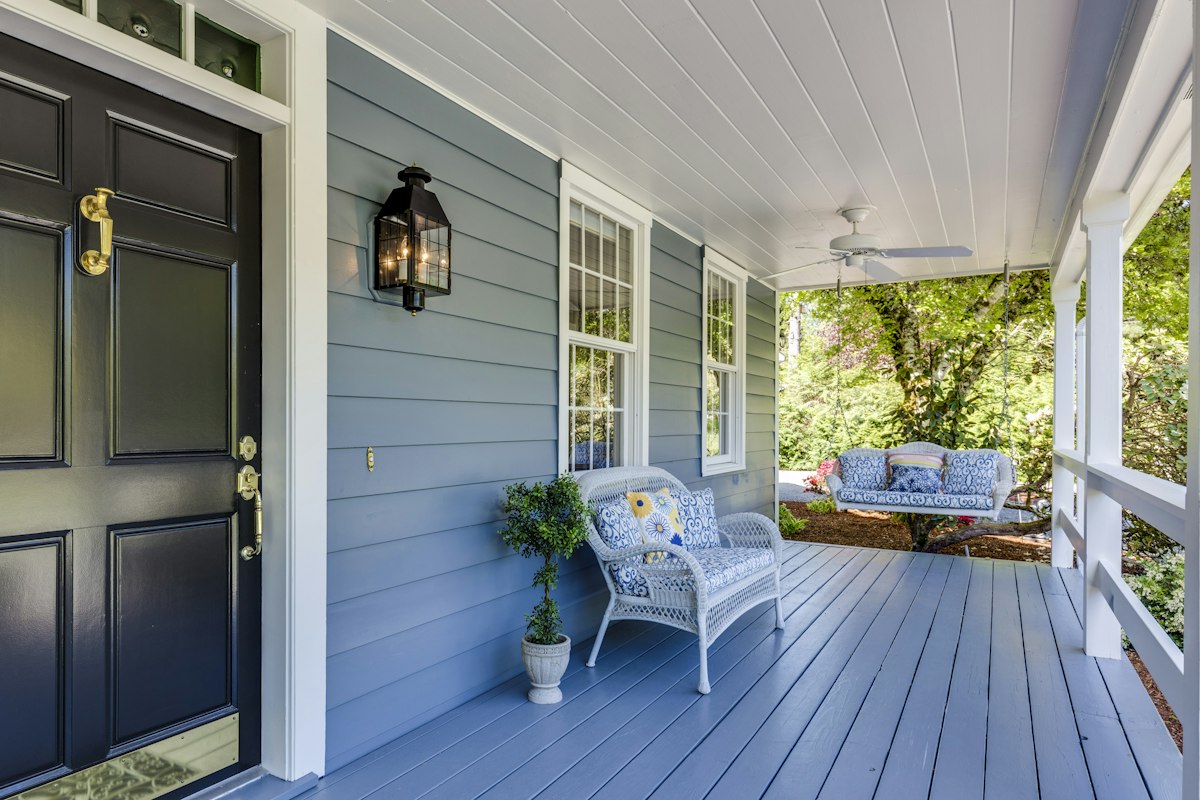
Homeowners tend to choose a roofing material for how it looks and what it costs to install, and both of those are reasonable ways to decide. What rarely factors into the decision, because almost nobody mentions it at the time, is that the material overhead also quietly shapes how an insurer prices — and sometimes whether an insurer will even write — the policy underneath it.
Insurers price roofs by durability and failure mode, not appearance
From an underwriting perspective, a roofing material is evaluated on a few specific dimensions: how long it typically lasts before needing replacement, how it tends to fail under wind and hail impact, and how expensive it is to repair or replace when it does fail. A material that holds up well against wind uplift and impact, and that has a longer typical service life, tends to be viewed more favorably than a material that's cheaper up front but shows its age faster or fails in ways that are more likely to let water into the structure.
Asphalt shingles: the common baseline
Asphalt shingle roofs are the most common roofing material on homes in a lot of markets, largely because they're a reasonable balance of upfront cost and adequate performance. Insurers are broadly familiar with asphalt shingles, which tends to make underwriting more straightforward, but the material does have a shorter typical service life than some alternatives, and its performance in wind and hail can vary a lot based on the specific product tier and how well it was installed.
Tile and slate: durability with different failure risks
Tile and slate roofs are often prized for their long service life and their resistance to certain kinds of weathering. They can also come with their own considerations for insurers: individual tiles or slates can crack under impact even when the overall roof structure is sound, and repair work on these materials often requires more specialized labor, which can affect claim costs even for relatively minor, localized damage. A longer expected lifespan is a real underwriting positive; the cost and complexity of targeted repairs is a real underwriting consideration in the other direction.
Impact-resistant products can open the door to specific credits
Some roofing products are manufactured and rated specifically for impact resistance, tested against a recognized durability standard for hail impact in particular. Installing an impact-rated product, and being able to document that with the manufacturer's certification, is one of the more direct ways a roofing choice can translate into an actual premium credit — though the availability and size of that credit varies a great deal by carrier and by state, so it's worth confirming before assuming a credit applies.
Age and material interact — a newer roof of any material usually wins
It's worth being clear that material is only one variable, and it doesn't override the other big one: a roof's age. A newer roof of a more ordinary material will often be viewed more favorably by an underwriter than an older roof of a more durable material, simply because remaining service life is doing most of the work in that comparison. The two factors work together, not against each other, in how a home ultimately gets priced.
The one question worth asking before you replace a roof
If you're already planning a roof replacement for any reason — age, storm damage, or simple wear — it's worth calling your insurance agent before you finalize the material and asking directly whether a specific product or class of product would meaningfully change your premium or your eligibility with certain carriers. Roofing contractors know construction; they don't always know insurance underwriting. That one phone call, made before the contract is signed rather than after the roof is already on, is the cheapest way to make sure a genuinely good roofing decision is also a genuinely good insurance decision.
Regional climate shapes which material actually makes sense
There's no single "best" roofing material across every market — the right choice depends heavily on local climate risk. A region that sees frequent hail wants a material with strong impact resistance near the top of the priority list. A region prone to high sustained wind wants a roof system rated for wind uplift, with attention paid to how securely it's fastened, not just what it's made of. A homeowner shopping for a new roof primarily on price, without asking a contractor which products are actually rated for the specific risks common in their area, can end up with a roof that looks great and underperforms in exactly the conditions it's most likely to face.
One more reason documentation is what turns a good roof into a priced-in roof
None of these material advantages help with your premium unless your insurer actually knows about them. Keep the manufacturer's product specification sheet, the installation invoice noting the specific product installed, and any impact-resistance certification in your records, and share them with your agent at the time of installation rather than assuming the information will find its way into your file automatically. A roof that qualifies for a credit but was never documented to the insurer is, from a pricing standpoint, indistinguishable from a roof that doesn't qualify at all — the material choice did its job, but the paperwork never caught up to tell anyone.
Reader Reactions
La conversación · The conversation
Aún no hay comentarios. Sé el primero — be the first.
Sunday · every other week
¿Te sirvió esta reseña?
Subscribe to La Carta. Independent home-insurance reading, twice a month, free.